Lains Barn
The Wedding Barn Venue in Oxfordshire
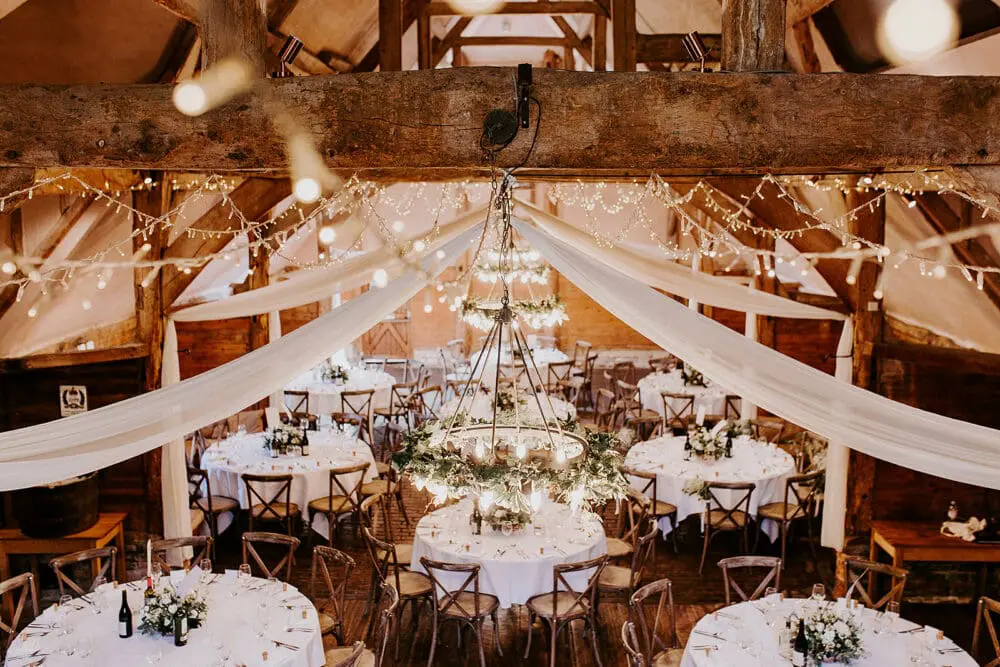
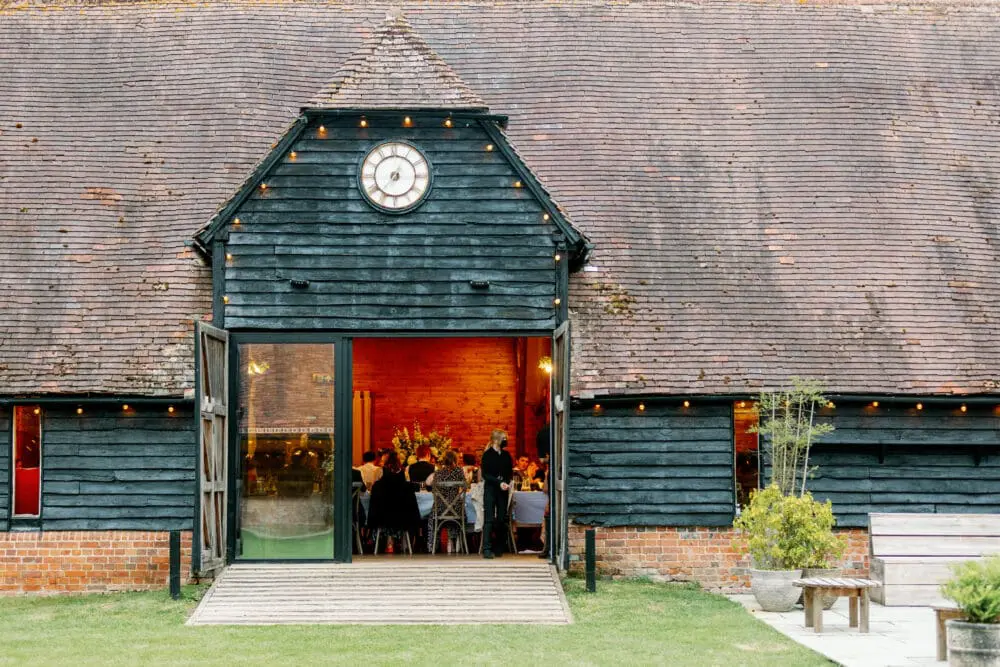
Welcome to your perfect countryside wedding at Lains Barn – a beautifully restored, family-run venue with a quintessentially rural setting, in the heart of Oxfordshire.
Weddings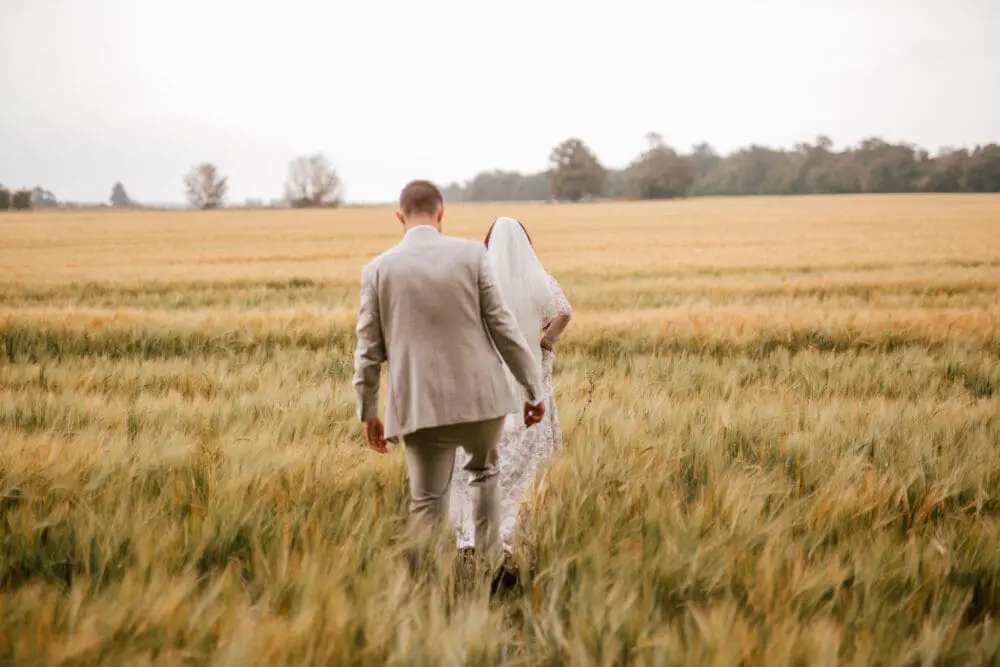
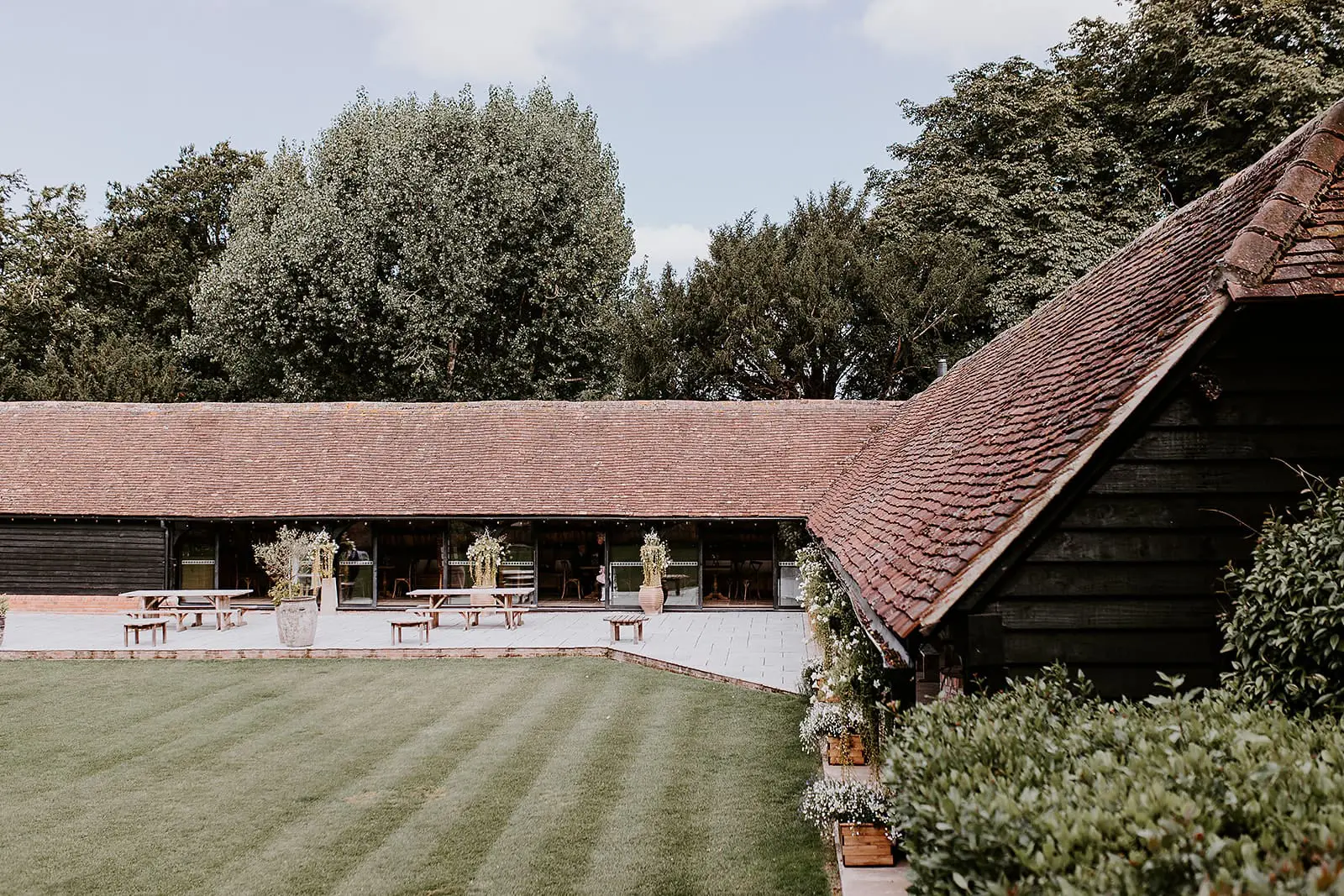
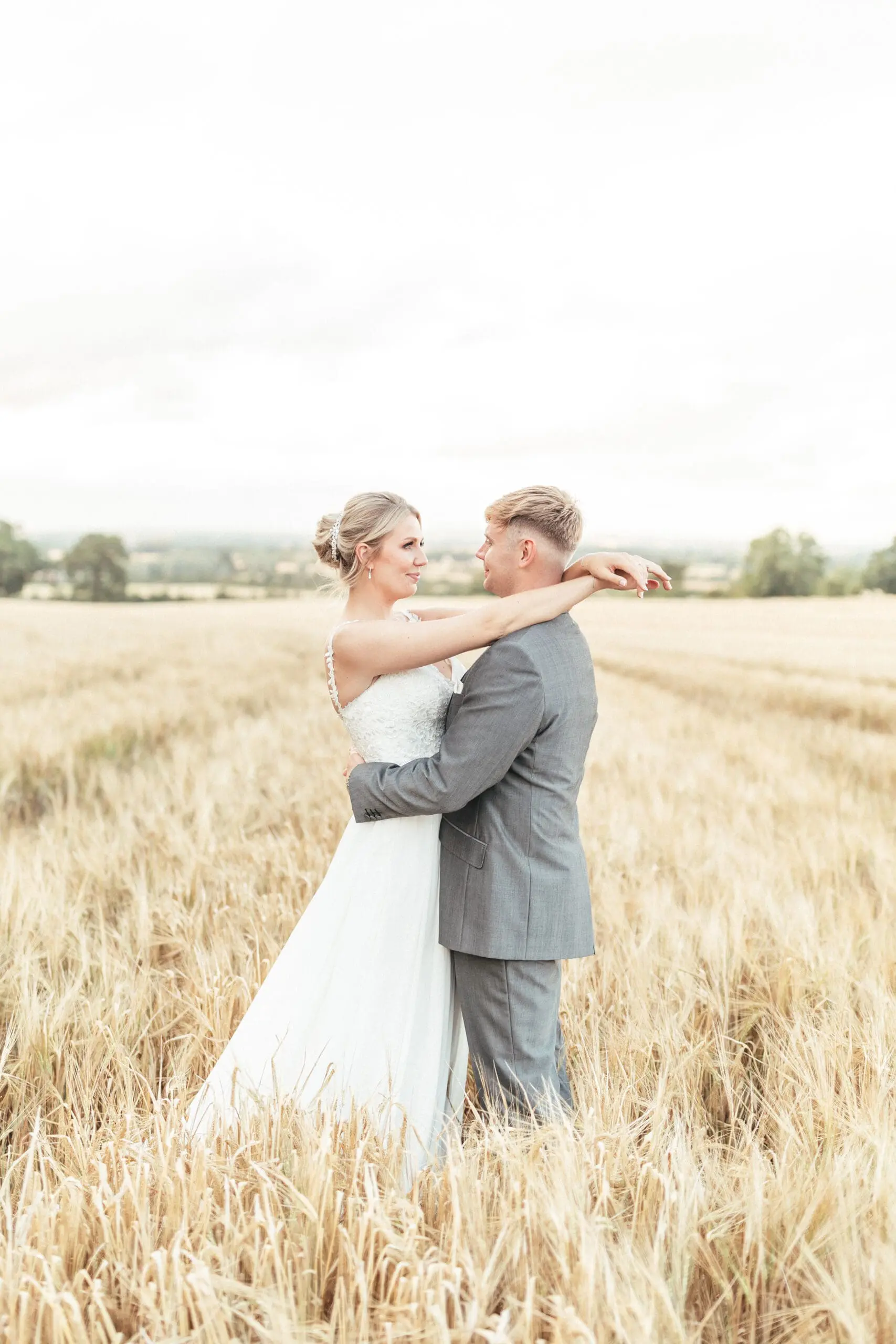
With extraordinary spaces inside and out, Lains is yours to enjoy from the ‘I dos’ to dining and dancing. We pride ourselves on a relaxed feel, impeccable food and picture-perfect surroundings – from the timber-beamed barn and byre to the breathtaking backdrop of the North Wessex Downs’ rolling hills.
Gallery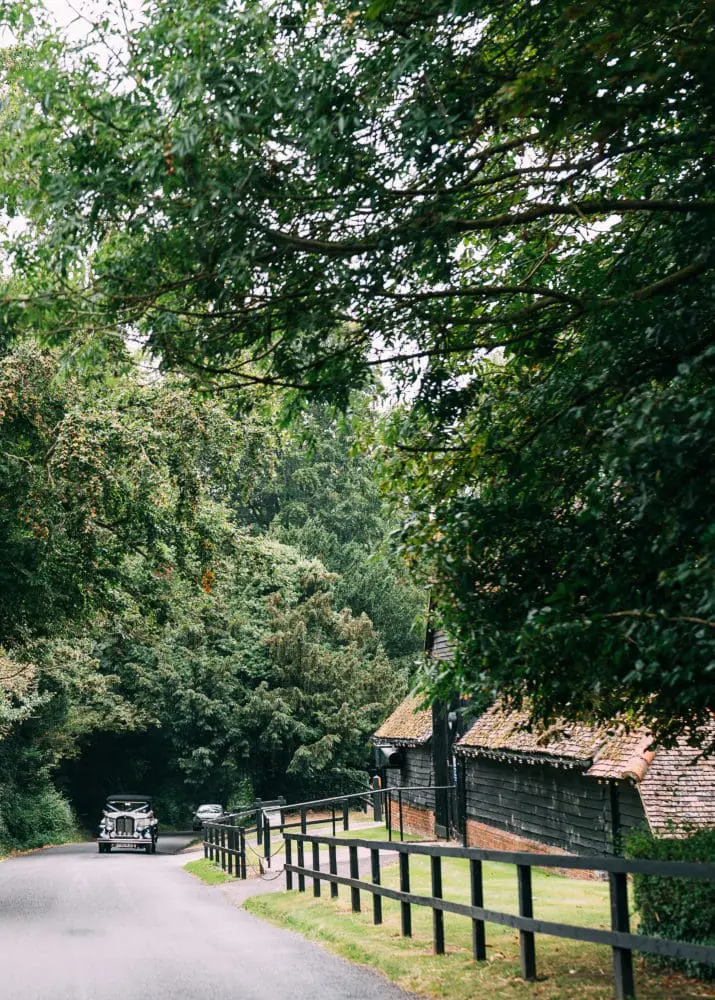
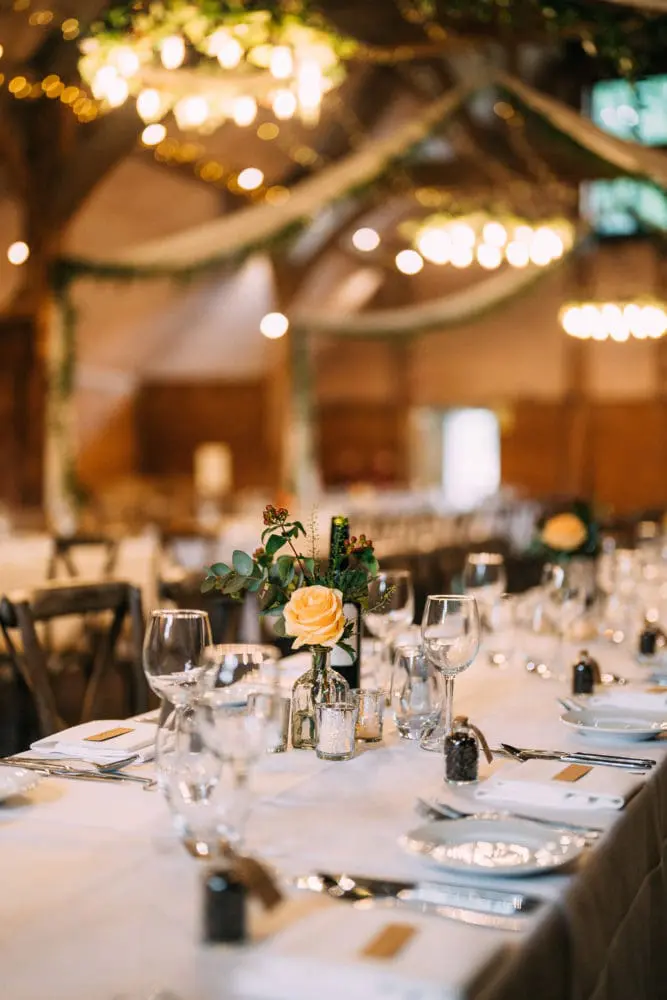
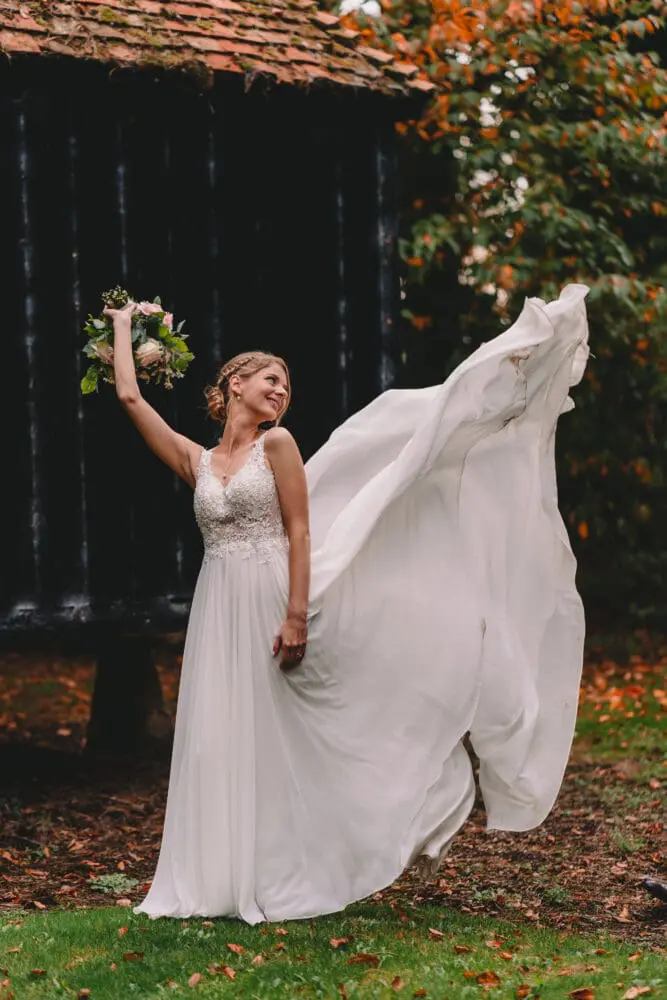
Step into the stunning main barn, a generous space replete with original rustic features (think wooden beams and a unique tiled floor) blended with thoughtfully chosen, contemporary furnishings, and surrounded by cosy, furnished booths – perfect for the party, later on.
The Barn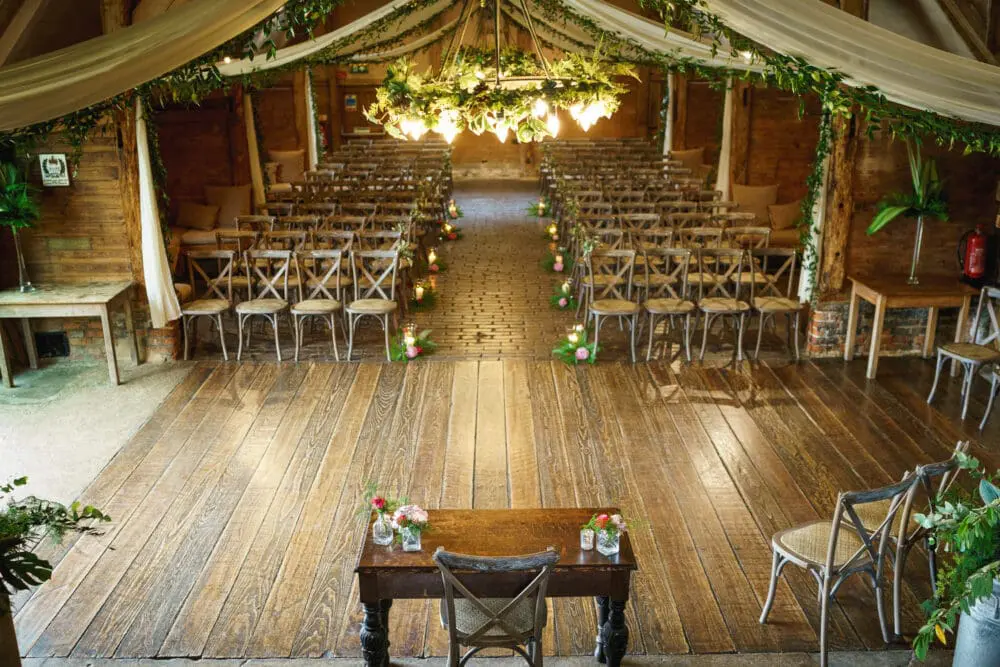
Wander over to the custom-built bar and festoon-lit seating area, and then out into the covered open byre – the ideal outside space, come rain or shine. There, you’ll find our legendary pizza oven and parrilla grills, where evening pizzas and snacks are cooked and served while your guests watch on, drink in hand.
Food & Drink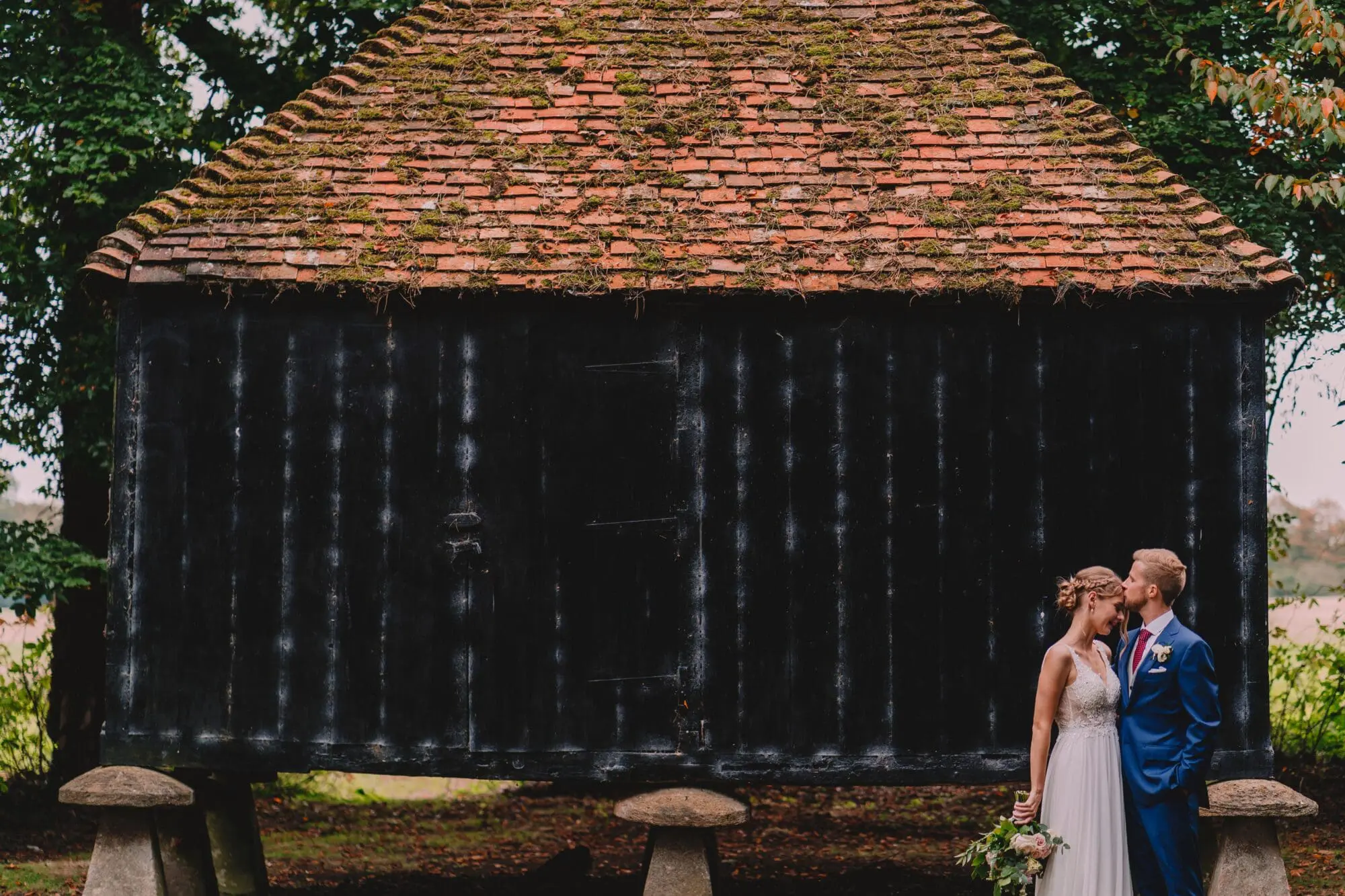
Here at Lains, wedding season is all-year-round. Get married in the winter when our grand Christmas tree is twinkling and the barn is cosy and warm. Or opt for a summer wedding with a ceremony on the manicured lawn, followed by dining and dancing in the main barn, its doors thrown open with the sun streaming in. Lains is no ordinary barn wedding venue. We’re a family-run business, supported by our wonderful (and highly experienced) team, and we put love and care into everything we do. From your initial viewing to the big day itself, we support our couples every step of the way. We want to help make your wedding day everything you imagined, and more.
Weddings